
 Getting a loan online has become a convenient option for Canadians who need access to money without visiting a traditional bank branch. Whether you are dealing with an unexpected expense, paying an essential bill, or covering a temporary cash shortfall, an online loan application can allow you to explore borrowing options from the comfort of your home.
However, convenience should not be the only factor when choosing a loan. Understanding how online lending works, what information lenders require, and how to compare borrowing costs can help you make a more informed financial decision.
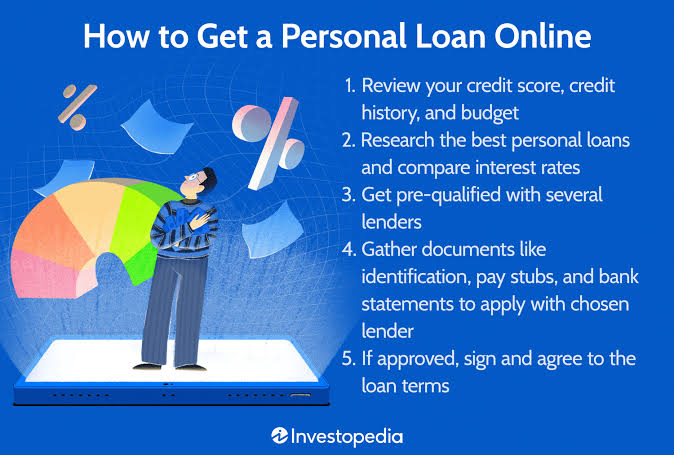
If you are wondering how to get a loan online in Canada, the following guide explains the process from researching lenders to reviewing your loan agreement.
What Is an Online Loan?
An online loan is a type of financing that you can apply for through a lender’s website or digital application platform. Depending on the lender, you may be able to complete the entire process electronically, including submitting your application, verifying your identity, reviewing the terms, and signing your agreement.
Online loans come in several forms. These may include personal loans, installment loans, lines of credit, and payday loans. Each product has different eligibility requirements, repayment structures, fees, and intended uses.
A personal loan may provide a lump sum that you repay through scheduled installments. A line of credit allows you to borrow up to an approved limit, while a payday loan is generally a short-term borrowing product with specific repayment and cost rules.
Before applying, identify the type of financing that best fits your circumstances.
Step 1: Determine How Much Money You Need
The first step in applying for an online loan is calculating how much you actually need to borrow.
It can be tempting to request more money than necessary, particularly when a lender advertises a relatively high borrowing limit. However, a larger loan generally means a larger repayment obligation.
Start by identifying the expense you need to cover. Add up the relevant costs and consider whether you can contribute some money from your existing budget.
For example, if an unexpected repair costs $600 and you can comfortably contribute $150, your financing requirement may be closer to $450.
Borrowing only what you need can help reduce the total cost of credit and make repayment more manageable.
Step 2: Research Online Lenders
Once you know how much you need, compare several lenders before submitting an application.
Look for clear information about eligibility requirements, interest rates, fees, repayment schedules, and contact details. A reputable lender should explain its loan products and provide a way to ask questions before you commit.
If you are borrowing in Canada, check whether the lender is legally permitted to offer the particular loan in your province or territory. Consumer lending requirements differ depending on the product and location.
Be cautious of websites that promise guaranteed approval regardless of income or credit history. Approval normally depends on the lender’s criteria, and no legitimate application should require you to ignore the terms of the loan.
It is also sensible to search for independent reviews and check whether the business has a verifiable address and customer service information.
Step 3: Check the Eligibility Requirements
Online lenders establish eligibility criteria to determine whether an applicant qualifies for financing.
Depending on the product, you may need to provide information about your age, Canadian residency, employment, income, banking arrangements, and existing financial obligations.
Some lenders may also review your credit history. Others may place greater emphasis on income and your ability to repay the loan.
Before beginning the application, review the requirements carefully. Applying when you clearly do not meet a lender’s criteria can waste time and, depending on the lender’s credit-check process, may affect your credit report.
If you are unsure whether you qualify, contact the lender and ask about its requirements before proceeding.
Step 4: Complete the Online Loan Application
Once you have chosen a potential lender, you can begin the online loan application.
You will typically be asked to enter personal and financial information. This may include your legal name, address, contact information, employment details, income, and banking information.
Always provide accurate information. Incorrect details can delay processing or result in a declined application.
Before entering sensitive information, confirm that you are using the lender’s legitimate website. Avoid following unexpected links in text messages or emails, especially if they request identity documents or banking credentials.
A secure connection is important, but a website displaying a padlock does not automatically mean the business is trustworthy. Verify the lender independently.
Step 5: Review Your Loan Offer
If your application is approved, the lender may provide a loan offer outlining the proposed terms.
Read this document carefully before accepting it. Pay attention to the amount you will receive, the interest rate, all applicable fees, the total amount you must repay, the payment dates, and the consequences of missed payments.
Do not focus exclusively on the size of the payment. A small payment can sometimes mean a longer repayment period and a higher total borrowing cost.
Make sure the payment schedule fits your budget after accounting for rent or mortgage payments, food, utilities, transportation, and other essential expenses.
You should never feel pressured to accept an offer immediately.
Step 6: Understand Funding and Repayment
After you accept the loan agreement and complete any required verification, the lender may transfer the funds to your bank account.
Funding times vary. Some lenders may process applications quickly, while others require additional checks or business-day processing. Approval does not guarantee that funds will arrive immediately.
Once the money arrives, keep a copy of your agreement and confirm your repayment dates.
Consider setting reminders or arranging automatic payments if they are appropriate for your circumstances. Make sure sufficient money is available before each scheduled withdrawal.
If your financial situation changes and you believe you may miss a payment, contact the lender as early as possible to ask about your options.
Conclusion
Getting a loan online in Canada can be straightforward when you understand the process and choose a lender carefully. Start by determining how much you need, compare available lenders, review the eligibility criteria, and examine the full cost of borrowing before accepting an offer.
The best online loan is not necessarily the one offering the fastest approval. It is the one whose terms, costs, and repayment requirements make sense for your financial situation.
A few minutes spent researching your options can help you avoid unnecessary expenses and approach online borrowing with greater confidence.
